
Sodium starch phosphate
CAS No.:53241-15-9
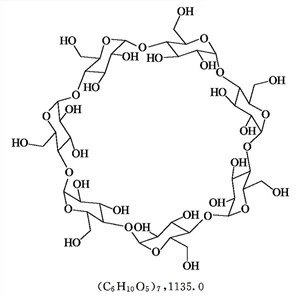
Sodium starch phosphate is an ester formed by the hydroxyl group of glucose and phosphoric acid, and its binding state and phosphoric acid content vary with the preparation method. One molecule of phosphoric acid combines with one molecule of glucose to form a monoester (type I), and one molecule of phosphoric acid combines with two molecules of glucose to form a diester (type II).
Alias: sodium phosphate starch
Physical and chemical properties
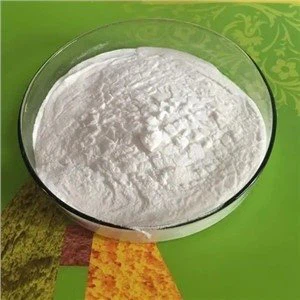
White to similar white powder, odorless, tasteless, slightly hygroscopic, 18% hygroscopic at room temperature into a saturated state, soluble in water, easier to disperse in water than common thickeners, and stable. Insoluble in organic solvents such as ethanol. Type I starch phosphate sodium gelatinized in water at room temperature, and the gelatinization temperature decreased with the increase of phosphoric acid-binding amount. At low temperatures, the stability increases, but the viscosity decreases. Type II starch phosphate sodium is gelatinized when heated with water.
The gelatinization temperature (about 60 ℃) is lower than that of common starch (about 80 ℃), and the aging tendency is reduced. However, through esterification, the solubility, swelling power, and transparency of the starch were significantly higher than those of the original starch. When the pH value is above 9 or below 2, the viscosity decreases. The pH value of 1% solution is 6.5 ~ 7.5, and the degradation of starch phosphate to bacteria is stable. The starch is prepared by suspending it in water or aqueous ethanol, adding sodium phosphate, adjusting the pH value to neutral with acid or alkali, and heating it to 150 ~ 200 ℃. The raw materials are usually potato and potato starch.
Toxicological basis
① LD50: mouse acute oral 19.24g/kg (BW).
② ADI: not required (FAO/WHO, 1994).
Application
Thickener
GB 2760-2014 stipulates that emulsified products, frozen drinks (except 03.04 edible ice), jam, condiments, and beverages (except 14.01 packaged drinking water) with a fat content of more than 80% shall be used appropriately according to production needs.
(1) Low degree of substitution. It can be used as an additive in neutral and weak acid foods, such as cream, cheese, and salad seed oil. It can also improve the taste of food and the stability of low-temperature storage. It can be used as an additive in foods with medium acidity with a PH value of 3.0 ~ 3.5, such as children's food and fruit pudding such as peach, pear, and banana, which can improve the consistency and structure of the food. A high degree of substitution can be used in strong acidic food.
(2) Because it contains phosphate ester, it has chelation with metal and can prevent food browning.
(3) The freeze-thaw property of starch phosphate dispersion is very stable. After freezing, it will be melted and then frozen again. After repeated times, the food properties will not change. The canned food produced shall be stored at 40 ℃ for several months or frozen without any shrinkage, condensation, turbidity, or water outflow.
(4) Japanese Regulations: the maximum dosage is 2% (used alone or in combination with other thickeners).
(5) Reference for actual use: for flour products and baking prefabrication powder, the dosage is 1% ~ 2%; Jam, 0.02% ~ 0.2%; Orange peel jelly 0.1% ~ 0.5%; Pudding, 1% ~ 2%; Ice cream, 0.1% ~ 0.5%; Instant cocoa, 1% ~ 2%; Filling, 0.3% ~ 0.5%; Pouring material, 0.2% ~ 0.5%. It can also be used in mayonnaise, sauce, sauce, and other jelly products. The use amount of this product varies from country to country, and the actual addition amount should be less than 2% of the food amount.
Hot Tags: sodium starch phosphate, manufacturers, suppliers, factory, wholesale, custom