

Food additives are substances added to food to preserve flavor, enhance taste, texture, appearance, or extend shelf life. They can be natural or synthetic and are used in small quantities during food processing, packaging, or storage.
Common Types of Food Additives:
Preservatives – Prevent spoilage by bacteria, mold, or yeast (e.g., sodium benzoate, nitrates).
Flavor Enhancers – Boost taste (e.g., monosodium glutamate (MSG)).
Sweeteners – Add sweetness (e.g., aspartame, sucralose, stevia).
Colorants – Improve or restore food color (e.g., caramel, tartrazine).
Emulsifiers & Stabilizers – Maintain texture and prevent separation (e.g., lecithin, xanthan gum).
Antioxidants – Prevent fats and oils from going rancid (e.g., vitamin E, BHA, BHT).
Thickeners & Gelling Agents – Modify consistency (e.g., pectin, gelatin).
Acidity Regulators – Control pH levels (e.g., citric acid, phosphates).
-
![Capryl Mono Glyceride (CMG) CAS 26402-26-6 | High-Purity Food Preservative]() Capryl Mono Glyceride (CMG) CAS 26402-26-6 | High-Purity ...High-quality Capryl Mono Glyceride (CAS 26402-26-6) with $\ge 80.0\%$ monoglyceride content. A powerful antimicrobial agent for bakery, meat products, and health supplements. Order in 25kg/200kgread more
Capryl Mono Glyceride (CMG) CAS 26402-26-6 | High-Purity ...High-quality Capryl Mono Glyceride (CAS 26402-26-6) with $\ge 80.0\%$ monoglyceride content. A powerful antimicrobial agent for bakery, meat products, and health supplements. Order in 25kg/200kgread more -
![Distilled Monoglyceride (DMG)]() Distilled Monoglyceride (DMG)High-purity Distilled Monoglyceride (DMG) E471 with 90% min content. Ideal for bakery, ice cream, and margarine. Enhance food texture and shelf life. Contact us for bulk pricingread more
Distilled Monoglyceride (DMG)High-purity Distilled Monoglyceride (DMG) E471 with 90% min content. Ideal for bakery, ice cream, and margarine. Enhance food texture and shelf life. Contact us for bulk pricingread more -
![Calcium-Sodium Stearoyl Lactylate (CSL-SSL) Food Emulsifier]() Calcium-Sodium Stearoyl Lactylate (CSL-SSL) Food EmulsifierHigh-quality CSL-SSL powder for baking and noodles. Enhances dough elasticity, increases bread volume, and prevents starch aging. 25kg bulk packaging.read more
Calcium-Sodium Stearoyl Lactylate (CSL-SSL) Food EmulsifierHigh-quality CSL-SSL powder for baking and noodles. Enhances dough elasticity, increases bread volume, and prevents starch aging. 25kg bulk packaging.read more -
![Sodium Stearoyl Lactylate (SSL) | Food Emulsifier CAS 18200-72-1]() Sodium Stearoyl Lactylate (SSL) | Food Emulsifier CAS 182...High-quality Sodium Stearoyl Lactylate (SSL) for bakery and noodle products. Improves dough strength, extends shelf life, and enhances food texture. CAS: 18200-72-1.read more
Sodium Stearoyl Lactylate (SSL) | Food Emulsifier CAS 182...High-quality Sodium Stearoyl Lactylate (SSL) for bakery and noodle products. Improves dough strength, extends shelf life, and enhances food texture. CAS: 18200-72-1.read more -
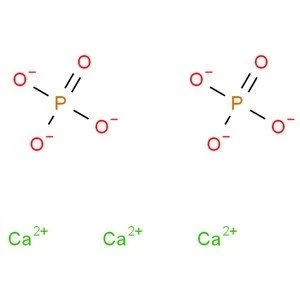
![Calcium Phosphate]() Calcium PhosphateCalcium phosphate is a mixture composed of different calcium phosphate, and its approximate composition is 10CAO · 3P2O5 · H2O. White powder, odorless, tasteless, stable in the air. Insoluble inread more
Calcium PhosphateCalcium phosphate is a mixture composed of different calcium phosphate, and its approximate composition is 10CAO · 3P2O5 · H2O. White powder, odorless, tasteless, stable in the air. Insoluble inread more -
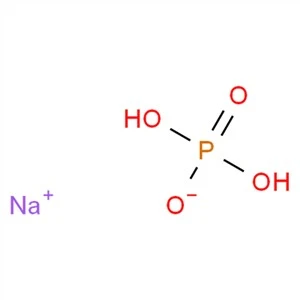
![Sodium Dihydrogen Phosphate]() Sodium Dihydrogen PhosphateSodium dihydrogen phosphate can be divided into anhydrous and dihydrate. The dihydrate is colorless to white, crystalline, or crystalline powder, and the anhydrous substance is white powder orread more
Sodium Dihydrogen PhosphateSodium dihydrogen phosphate can be divided into anhydrous and dihydrate. The dihydrate is colorless to white, crystalline, or crystalline powder, and the anhydrous substance is white powder orread more -
![Potassium Dihydrogen Phosphate]() Potassium Dihydrogen PhosphateColorless crystal or white particles, or white crystalline powder, odorless, stable in air. It is soluble in water and insoluble in absolute ethanol. The pH value of 1% aqueous solution is 4.2-4.7.Itread more
Potassium Dihydrogen PhosphateColorless crystal or white particles, or white crystalline powder, odorless, stable in air. It is soluble in water and insoluble in absolute ethanol. The pH value of 1% aqueous solution is 4.2-4.7.Itread more -
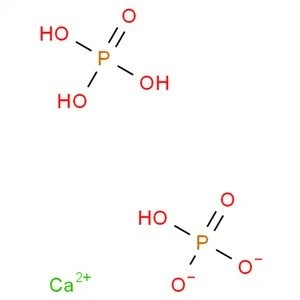
![Calcium Dihydrogen Phosphate]() Calcium Dihydrogen PhosphateColorless or white crystalline powder, relative density 2.22, hygroscopic, slightly soluble in water (30 ℃, 1.8g/100ml), the aqueous solution is acidic (pH value 3), heated to 105 ℃ to loseread more
Calcium Dihydrogen PhosphateColorless or white crystalline powder, relative density 2.22, hygroscopic, slightly soluble in water (30 ℃, 1.8g/100ml), the aqueous solution is acidic (pH value 3), heated to 105 ℃ to loseread more -
![Tetrasodium Pyrophosphate]() Tetrasodium PyrophosphateDecahydrate is colorless or white crystalline or crystalline powder, anhydrous is white powder, melting point 988℃, relative density 1.82. Soluble in water, the aqueous solution is alkaline (pH valueread more
Tetrasodium PyrophosphateDecahydrate is colorless or white crystalline or crystalline powder, anhydrous is white powder, melting point 988℃, relative density 1.82. Soluble in water, the aqueous solution is alkaline (pH valueread more -
![Disodium Dihydrogen Pyrophosphate]() Disodium Dihydrogen PyrophosphateWhite crystalline powder with a relative density of 1.862. When heated to above 220℃, it will decompose into sodium metaphosphate. It is easily soluble in water and can form chelates with Mg2+ andread more
Disodium Dihydrogen PyrophosphateWhite crystalline powder with a relative density of 1.862. When heated to above 220℃, it will decompose into sodium metaphosphate. It is easily soluble in water and can form chelates with Mg2+ andread more -
![Sodium Hydrogen Carbonate]() Sodium Hydrogen CarbonateWhite crystalline powder. The relative density is 2.20. The melting point is 270℃. when heated to 50℃, it begins to decompose and release carbon dioxide. When heated to 270-300℃, it becomes sodiumread more
Sodium Hydrogen CarbonateWhite crystalline powder. The relative density is 2.20. The melting point is 270℃. when heated to 50℃, it begins to decompose and release carbon dioxide. When heated to 270-300℃, it becomes sodiumread more -
![Ammonium Hydrogen Carbonate]() Ammonium Hydrogen CarbonateColorless to white crystal or white crystalline powder, slightly ammonia odor, relative density 1.586. It is stable at room temperature, easily weathered in the air, slightly hygroscopic, unstable toread more
Ammonium Hydrogen CarbonateColorless to white crystal or white crystalline powder, slightly ammonia odor, relative density 1.586. It is stable at room temperature, easily weathered in the air, slightly hygroscopic, unstable toread more


Food additives are substances added to food to preserve flavor or enhance taste, appearance, or other sensory qualities. Some additives have been used for centuries as part of an effort to preserve food, for example vinegar (pickling), salt (salting), smoke (smoking), sugar (crystallization), etc. This allows for longer-lasting foods such as bacon, sweets or wines. With the advent of ultra-processed foods in the second half of the twentieth century, many additives have been introduced, of both natural and artificial origin. Food additives also include substances that may be introduced to food indirectly (called "indirect additives") in the manufacturing process, through packaging, or during storage or transport.
Maintain Product Consistency
Emulsifiers give products a consistent texture and prevent them from separating; stabilizers and thickeners give smooth uniform texture; and anti-caking agents help substances such as salt flow freely (e.g., guar gum, lecithin, pectin, alginates, mono- and di-glycerides).
Improve/maintain Nutritional Value
Vitamins and minerals (Vitamins A and D, Thiamine, Niacin, Riboflavin, Pyridoxine, Folic Acid, Ascorbic Acid, Calcium Carbonate, Zinc Oxide, and Iron) are added to many foods such as milk, flour, cereal and margarine to make up for those likely to be lacking in a person’s diet or lost in processing. All products containing added nutrients must be labeled appropriately.
Maintain Palatability And Wholesomeness
Preservatives are used to retard spoilage caused by mold, air, bacteria, fungi, or yeast, whereas antioxidants are preservatives that prevent fats and oils in baked goods, and other foods, from becoming rancid or developing an off-flavor (e.g., propionic acid, ascorbic acid, citric acid, butylated hydroxyanisole (BHA) and butylated hydrorxytoluene (BHT).
Provide Leavening Or Control Acidity/alkalinity
Leavening agents that release acids when heated can react with baking soda to help cakes, biscuits and other baked goods rise during baking. Other additives help modify the acidity and alkalinity of foods for proper flavor, taste, and color (e.g., yeast, sodium bicarbonate, citric acid, fumaric acid, phosphoric acid, lactic acid, and tartrates).
Enhance Flavor Or Impart Desired Color
Many spices and natural and artificial flavors enhance the taste of food. Colors enhance the appearance of certain foods to meet consumer expectations (e.g., spices, caramel, tumeric, aspartame and saccharin and other artificial sweeteners, cloves, ginger, fructose, FD&C Red No.40, monosodium glutamate, annatto, and limonene).
Types of Food Additives
Emulsifiers
Emulsifiers are used to maintain a uniform dispersion of one liquid in another, such as oil in water. The basic structure of an emulsifying agent includes a hydrophobic portion, usually a long-chain fatty acid, and a hydrophilic portion that may be either charged or uncharged. The hydrophobic portion of the emulsifier dissolves in the oil phase, and the hydrophilic portion dissolves in the aqueous phase, forming a dispersion of small oil droplets. Emulsifiers thus form and stabilize oil-in-water emulsions (e.g., mayonnaise), uniformly disperse oil-soluble flavour compounds throughout a product, prevent large ice crystal formation in frozen products (e.g., ice cream), and improve the volume, uniformity, and fineness of baked products.
Stabilizers
Stabilizers and thickeners have many functions in foods. Most stabilizing and thickening agents are polysaccharides, such as starches or gums, or proteins, such as gelatin. The primary function of these compounds is to act as thickening or gelling agents that increase the viscosity of the final product. These agents stabilize emulsions, either by adsorbing to the outer surface of oil droplets or by increasing the viscosity of the water phase. Thus, they prevent the coalescence of the oil droplets, promoting the separation of the oil phase from the aqueous phase (i.e., creaming). The formation and stabilization of foam in a food product occurs by a similar mechanism, except that the oil phase is replaced by a gas phase. The compounds also act to inhibit the formation of ice or sugar crystals in foods and can be used to encapsulate flavour compounds.
Preservatives
Food preservatives are classified into two main groups: antioxidants and antimicrobials. Antioxidants are compounds that delay or prevent the deterioration of foods by oxidative mechanisms. Antimicrobial agents inhibit the growth of spoilage and pathogenic microorganisms in food.
Antioxidants
The oxidation of food products involves the addition of an oxygen atom to or the removal of a hydrogen atom from the different chemical molecules found in food. Two principal types of oxidation that contribute to food deterioration are autoxidation of unsaturated fatty acids (i.e., those containing one or more double bonds between the carbon atoms of the hydrocarbon chain) and enzyme-catalyzed oxidation.
Antimicrobials
Antimicrobials are most often used with other preservation techniques, such as refrigeration, in order to inhibit the growth of spoilage and pathogenic microorganisms. Sodium chloride (NaCl), or common salt, is probably the oldest known antimicrobial agent. Organic acids, including acetic, benzoic, propionic, and sorbic acids, are used against microorganisms in products with a low pH. Nitrates and nitrites are used to inhibit the bacterium Clostridium botulinum in cured meat products (e.g., ham and bacon). Sulfur dioxide and sulfites are used to control the growth of spoilage microorganisms in dried fruits, fruit juices, and wines. Nisin and natamycin are preservatives produced by microorganisms. Nisin inhibits the growth of some bacteria, while natamycin is active against molds and yeasts.
Natural Colorants
Most natural colorants are extracts derived from plant tissues. The use of these extracts in the food industry has certain problems associated with it, including the lack of consistent colour intensities, instability upon exposure to light and heat, variability of supply, reactivity with other food components, and addition of secondary flavours and odours. In addition, many are insoluble in water and therefore must be added with an emulsifier in order to achieve an even distribution throughout the food product.
Synthetic Colorants
Synthetic colorants are water-soluble and are available commercially as powders, pastes, granules, or solutions. Special preparations called lakes are formulated by treating the colorants with aluminum hydroxide. They contain approximately 10 to 40 percent of the synthetic dye and are insoluble in water and organic solvents. Lakes are ideal for use in dry and oil-based products. The stability of synthetic colorants is affected by light, heat, pH, and reducing agents. A number of dyes have been chemically synthesized and approved for usage in various countries. These colorants are designated according to special numbering systems specific to individual countries. For example, the United States uses FD&C numbers (chemicals approved for use in foods, drugs, and cosmetics), and the European Union (EU) uses E numbers.
Sweeteners
Sucrose, or table sugar, is the standard on which the relative sweetness of all other sweeteners is based. Because sucrose provides energy in the form of carbohydrates, it is considered a nutritive sweetener. Other nutritive sweeteners include glucose, fructose, corn syrup, high-fructose corn syrup, and sugar alcohols (e.g., sorbitol, mannitol, and xylitol).
Application of Food Additives

Feed Additives For Livestock
Organic feed additives such as probiotics, prebiotics, and enzymes are used to improve the gut health of livestock, enhance nutrient absorption, and boost growth and productivity. Organic minerals such as zinc, copper, and selenium are also added to feed to maintain animal health and prevent deficiencies.
Soil Amendments
Organic fertilizers such as compost, manure, and bone meal are used to replenish the soil with nutrients and improve soil health. Organic soil amendments can also help to control soil pH and reduce soil erosion.
Pest And Disease Control
Organic pesticides and fungicides made from natural ingredients such as neem oil, pyrethrin, and copper are used to control pests and diseases in organic crops. Beneficial insects such as ladybugs and lacewings are also used for pest control.
Food Additives For Processed Foods
Organic food additives such as lecithin, carrageenan, and pectin are used to enhance the texture, stability, and flavor of organic processed foods such as sauces, dressings, and baked goods.
Nutritional Supplements For Humans
Organic food supplements such as vitamins, minerals, and herbal extracts are used to enhance the nutritional value of organic foods and provide health benefits to humans.
How to Maintain Food Additives
Clear labeling of food additives is vital for safe storage. Properly labeling or marking containers helps to identify the contents in each container. This is one of the simplest and most important steps you can take to increase food additive storage safety. Every business should have an organized system for labeling and categorizing goods. This system should be accessible and usable by all responsible team members.
It is important to ensure every team member who has access to the substances should understand and follow all instructions from the manufacturer. One should always use and store food chemicals and additives as directed by the manufacturer following applicable guidelines, rules, and regulations put in place by regulatory agencies.
You also need to consider the environment where food additives are stored. Extreme temperatures, either low or high, may affect product safety or quality. Some food ingredients may require different temperatures than others, resulting in the need for separate storage. Overall, the environment in which food additives are stored should be maintained at low humidity to prevent both excess moisture and damage to products.
Pests have the potential to be a big problem for areas where food additives are stored. Implementing a pest control program is vital for food additive storage areas to avoid damage to products and compromised sanitary environments. Pests can track substances around, causing contamination and mixing of different materials. Storage areas must be maintained at all times to ensure a clean and sanitary condition free of pests. If there are any sightings, they should be addressed as quickly as possible and all products should be inspected for damage. All contaminated or damaged items should be properly disposed.
How to Choose the Right Food Additives
Determining The Type Of Food Additives Needed
Determining the type of food additives you need is the first step in understanding your requirements. Food additives can range from Understanding your requirements begins with figuring out what kind of food additives you require. Food additives can include everything from sugars and preservatives to colours and flavours. You may need one or more food additives to meet industry standards and consumer expectations, depending on the type of food products you produce.
Establishing A Budget
Depending on the source, the quality of the product, and the number of purchases, the price of food additives might vary considerably. It's critical to establish a budget for these food additives, decide what kind of food additives you require, and lay out your standards for quality.
Researching Suppliers
It's time to start looking for suppliers once you clearly understand your the kind of food additives needed, your quality standards, and your financial constraints.
Assessing Vendors
It's time to assess possible providers of food additives when you've finished your research and found them to see which ones best fit your company. Evaluating potential suppliers is a crucial stage in selecting a provider of food additives because it enables you to choose the supplier that can offer you the most excellent products and services at the best price.
Selected Vendor
It's time to choose and choose the best supplier for your company once you have compared and contrasted all potential food additive suppliers by your wants and specifications. Although this process might be complicated, by carefully weighing all the relevant elements, you can decide in a way that will ultimately be best for your company. Take your time and thoroughly weigh all of your alternatives when selecting a food additive supplier to ensure your food items' high quality, dependability, and affordability.
FAQ
As one of the leading food additives manufacturers and suppliers, we warmly welcome you to wholesale custom made food additives from our factory. All products are with high quality and competitive price.