

Emulsifiers are substances that improve the surface tension between immiscible phases (e.g., oil and water), enabling the formation of a stable, uniform dispersion or emulsion. Chemically, emulsifiers are surfactants containing both hydrophilic (water-loving) and lipophilic (oil-loving) groups. They play a critical role in food processing by:
Stabilizing mixed-phase systems (e.g., mayonnaise, ice cream).
Enhancing texture, mouthfeel, and shelf life.
Improving color, flavor, and overall sensory quality.
Emulsifiers are among the most widely used and versatile food additives in the industry. To achieve optimal emulsification, they are often combined with mechanical mixing or homogenization.
Classification by HLB Value
The Hydrophile-Lipophile Balance (HLB) value (ranging from 1 to 20) determines an emulsifier's affinity for water or oil:
Low HLB (1–9): Lipophilic → Best for water-in-oil (W/O) emulsions (e.g., butter, margarine).
Medium HLB (8–16): Balanced → Used in self-emulsifying systems.
High HLB (13–20): Hydrophilic → Ideal for oil-in-water (O/W) emulsions (e.g., milk, salad dressings).
-
![Capryl Mono Glyceride (CMG) CAS 26402-26-6 | High-Purity Food Preservative]() Capryl Mono Glyceride (CMG) CAS 26402-26-6 | High-Purity ...High-quality Capryl Mono Glyceride (CAS 26402-26-6) with $\ge 80.0\%$ monoglyceride content. A powerful antimicrobial agent for bakery, meat products, and health supplements. Order in 25kg/200kgread more
Capryl Mono Glyceride (CMG) CAS 26402-26-6 | High-Purity ...High-quality Capryl Mono Glyceride (CAS 26402-26-6) with $\ge 80.0\%$ monoglyceride content. A powerful antimicrobial agent for bakery, meat products, and health supplements. Order in 25kg/200kgread more -
![Distilled Monoglyceride (DMG)]() Distilled Monoglyceride (DMG)High-purity Distilled Monoglyceride (DMG) E471 with 90% min content. Ideal for bakery, ice cream, and margarine. Enhance food texture and shelf life. Contact us for bulk pricingread more
Distilled Monoglyceride (DMG)High-purity Distilled Monoglyceride (DMG) E471 with 90% min content. Ideal for bakery, ice cream, and margarine. Enhance food texture and shelf life. Contact us for bulk pricingread more -
![Calcium-Sodium Stearoyl Lactylate (CSL-SSL) Food Emulsifier]() Calcium-Sodium Stearoyl Lactylate (CSL-SSL) Food EmulsifierHigh-quality CSL-SSL powder for baking and noodles. Enhances dough elasticity, increases bread volume, and prevents starch aging. 25kg bulk packaging.read more
Calcium-Sodium Stearoyl Lactylate (CSL-SSL) Food EmulsifierHigh-quality CSL-SSL powder for baking and noodles. Enhances dough elasticity, increases bread volume, and prevents starch aging. 25kg bulk packaging.read more -
![Sodium Stearoyl Lactylate (SSL) | Food Emulsifier CAS 18200-72-1]() Sodium Stearoyl Lactylate (SSL) | Food Emulsifier CAS 182...High-quality Sodium Stearoyl Lactylate (SSL) for bakery and noodle products. Improves dough strength, extends shelf life, and enhances food texture. CAS: 18200-72-1.read more
Sodium Stearoyl Lactylate (SSL) | Food Emulsifier CAS 182...High-quality Sodium Stearoyl Lactylate (SSL) for bakery and noodle products. Improves dough strength, extends shelf life, and enhances food texture. CAS: 18200-72-1.read more -
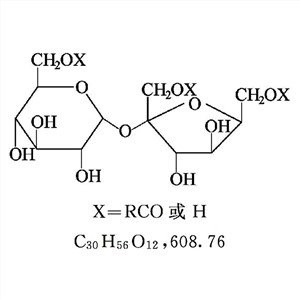
![Sucrose Esters Of Fatty Acid]() Sucrose Esters Of Fatty AcidAn ester compound is formed from sucrose and fatty acids. Since there are 8 hydroxyl groups in the sucrose molecule, it can form corresponding fatty acid sucrose esters with 1 ~ 8 fatty acids. Inread more
Sucrose Esters Of Fatty AcidAn ester compound is formed from sucrose and fatty acids. Since there are 8 hydroxyl groups in the sucrose molecule, it can form corresponding fatty acid sucrose esters with 1 ~ 8 fatty acids. Inread more -
![Calcium Stearyl Lactylate]() Calcium Stearyl LactylateCalcium stearyl lactylate is a mixture of calcium stearoyl lactate and a small amount of other related acids. It is white to yellowish-white powder or flake and blocks solid, odorless, andread more
Calcium Stearyl LactylateCalcium stearyl lactylate is a mixture of calcium stearoyl lactate and a small amount of other related acids. It is white to yellowish-white powder or flake and blocks solid, odorless, andread more -
![Magnesium Stearate]() Magnesium StearateGB 2760-2014 stipulates that the maximum dosage of candied fruit is 0.8g/kg, and cocoa products, chocolate, and chocolate products (including cocoa butter substitute chocolate and products) and candyread more
Magnesium StearateGB 2760-2014 stipulates that the maximum dosage of candied fruit is 0.8g/kg, and cocoa products, chocolate, and chocolate products (including cocoa butter substitute chocolate and products) and candyread more -
![Potassium Stearate]() Potassium StearatePotassium stearate is greasy. It has high emulsifying efficiency and is sensitive to hard water. It can form calcium salt with hard water to deform or destroy the emulsion. It is a calcium-sensitiveread more
Potassium StearatePotassium stearate is greasy. It has high emulsifying efficiency and is sensitive to hard water. It can form calcium salt with hard water to deform or destroy the emulsion. It is a calcium-sensitiveread more -
![Calcium Stearate]() Calcium StearateGB 2760-2014 stipulates that the maximum dosage of spices, powder, and solid compound seasonings is 20.0g/kg.read more
Calcium StearateGB 2760-2014 stipulates that the maximum dosage of spices, powder, and solid compound seasonings is 20.0g/kg.read more -
![Acetylated Mono-and Diglyceride]() Acetylated Mono-and DiglycerideWhite to light yellow, liquid or solid with different viscosities, with acetic acid odor. It is insoluble in water and soluble in ethanol, acetone, and other organic solvents. Acetylated mono-andread more
Acetylated Mono-and DiglycerideWhite to light yellow, liquid or solid with different viscosities, with acetic acid odor. It is insoluble in water and soluble in ethanol, acetone, and other organic solvents. Acetylated mono-andread more -
![Starch Sodium Octenyl Succinate]() Starch Sodium Octenyl SuccinateStarch sodium octenyl succinate is a transparent liquid and has good stability in acid and alkaline solutions. It has a good synergistic effect with other surfactants, and there is noread more
Starch Sodium Octenyl SuccinateStarch sodium octenyl succinate is a transparent liquid and has good stability in acid and alkaline solutions. It has a good synergistic effect with other surfactants, and there is noread more -
![Octyl And Decyl Glycerate]() Octyl And Decyl GlycerateColorless, tasteless, and transparent liquid, with viscosity half that of general vegetable oil. Good oxidation resistance. It is miscible with various solvents, greases, oxidants, and vitamins. Itsread more
Octyl And Decyl GlycerateColorless, tasteless, and transparent liquid, with viscosity half that of general vegetable oil. Good oxidation resistance. It is miscible with various solvents, greases, oxidants, and vitamins. Itsread more


A recent approach gaining attention among nutritionists for achieving efficient energy utilisation involves the utilisation of exogenous surfactants, commonly referred to as “emulsifiers,” which can be effectively broken down by lipase. Emulsifiers in poultry feed play a crucial role in stabilising mixtures of substances that do not naturally blend well, such as oil and water.
They prevent the coalescence of globules in the dispersed phase, necessitating the initial emulsification of lipids. This process results in the formation of small, emulsified fat droplets, expanding the contact area for lipase enzymes produced by the pancreas. The natural or synthetic emulsifier in poultry nutrition is employed to enhance fat digestibility, thereby promoting energy efficiency and ultimately mitigating feed costs.
Benefits of Emulsifier
Improved digestibility of fats
Emulsifiers in poultry feed enhance the breakdown of dietary fats into smaller droplets, increasing the surface area for enzymatic action. This improved fat digestion leads to better absorption of fatty acids, which serve as a concentrated and valuable energy source for poultry.
Enhanced nutrient absorption
By facilitating the emulsification of fats, Poultry feed emulsifiers contribute to the overall efficiency of nutrient absorption in the digestive tract. This is critical for the assimilation of essential fatty acids and fat-soluble vitamins, which are important for energy metabolism and various physiological functions in poultry.
Energy availability for growth and production
Efficient energy utilisation directly correlates with the bird’s ability to convert nutrients into energy for growth, egg production, and maintenance functions. Emulsifier in poultry feed industry plays a role in optimising energy availability, ensuring that the birds receive the maximum benefit from the feed they consume.
Reduction in feed wastage
Emulsifiers in the poultry feed industry can help reduce feed wastage by promoting the uniform distribution of fats in feed formulations. When fats are effectively emulsified, it minimises the likelihood of fat separation and improves the overall palatability of the feed, encouraging birds to consume the entire ration.
Types of Emulsifier
Lecithin is a natural emulsifier that is commonly used in food processing. It is derived from plant and animal sources, including soybeans, eggs, and sunflowers. Lecithin is used to create stable emulsions in a variety of food products, including chocolate, baked goods, and salad dressings. It works by reducing the surface tension between oil and water, allowing them to mix more easily and remain blended over time. Lecithin is a versatile and effective emulsifier that is commonly used in the food industry.
Diacetyl Tartaric Acid Esters of Monoglycerides (DATEM) is a synthetic emulsifier commonly used in food processing. It is derived from soybean oil and is used to create stable emulsions in a variety of products, including bread, baked goods, and margarine. DATEM works by reducing the surface tension between oil and water, allowing them to mix more easily and remain blended over time. It is an effective and versatile emulsifier that is widely used in the food industry.
Polyglycerol Esters of Fatty Acids (PGE) is a synthetic emulsifier commonly used in food processing. It is made by esterifying glycerol with fatty acids, typically from vegetable oils. PGE is used to create stable emulsions in a variety of products, including bakery goods, margarine, and ice cream. It works by reducing the surface tension between oil and water, allowing them to mix more easily and remain blended over time. PGE is an effective and widely used emulsifier in the food industry.
Sorbitan esters are a group of synthetic emulsifiers commonly used in food processing. They are made by esterifying sorbitol, a sugar alcohol, with fatty acids typically derived from vegetable oils. Sorbitan esters are used to create stable emulsions in a variety of products, including chocolate, baked goods, and ice cream. They work by reducing the surface tension between oil and water, allowing them to mix more easily and remain blended over time. Sorbitan esters are a versatile and effective emulsifier that is widely used in the food industry.
The principle of emulsifier is that during the emulsification process, the dispersed phase is spread out in the continuous phase in the form of micro-droplets. Surfactants and emulsifiers reduce the interfacial tension of each component in the mixed system and form a stronger film on the surface of the droplets due to emulsification. The charge given by the agent forms a double electric layer on the surface of the droplets, preventing the droplets from aggregating with each other and maintaining a uniform emulsion. From a phase point of view, emulsions are still heterogeneous systems. The dispersed phase in the emulsion can be either a water phase or an oil phase, most of which is oil phase; the continuous phase can be either an oil phase or a water phase, most of which is water phase.
Application of Emulsifier
Fermented Foods
Bread emulsifier is an essential ingredient for making delicious fermented foods. Emulsifiers in food help to prevent aging and improve the fermentation capacity of the dough, as well as enhance the texture and taste. Moreover, emulsifiers and stabilizers can prolong the shelf life of food, making it possible to be stored for a longer period. There are two types of emulsifiers used in bread: dough strengtheners and dough softeners, each of which performs different functions. Dough strengtheners can make the dough more tough, improving the quality and volume of bread while dough softeners can make the bread softer and extend its shelf life. The function of emulsifiers in bread is to make the gluten and starch interact with each other, thereby improving the strength and stability of the dough, and producing better baked goods. Therefore, adding the right amount of emulsifiers to bread and pastries will make them delicious and healthy, thereby giving consumers a wonderful eating experience.
Ice Cream
Emulsifiers are necessary additives in the production of ice cream and offer multiple benefits. During the production process, ice cream stabilizers and emulsifiers can promote the uniform distribution of fat molecules and effectively prevent the formation of ice crystals. At the same time, it improves the stability of the ice cream and prevents precipitation, thus enhancing the taste. Moreover, some emulsifiers can replace part of the fat and reduce the calories, thereby meeting consumers' demand for low-fat ice cream. As a result, emulsifier for ice cream are very valuable additives that help producers to create high-quality and tasty ice cream products.
Candies And Chocolate
Common candies such as cream candy, toffee, bubble gum, and chocolate also contain emulsifiers. Because these candies contain a lot of fat, manufacturers add emulsifiers such as molecular distillation mono-glycerides in the production process to make the candies more perfect. This can emulsify the fats and blend them better with other ingredients, preventing the fats from separating in the candies. Additionally, emulsifiers in chocolate can stabilize the appearance of candies and prevent the fats in chocolate from crystallizing, making the chocolate taste more rich and smooth.
Plant-based Artificial Cream
Nowadays, vegetable-based artificial whipped cream has become an important ingredient in food processing. It is made from vegetable fats and oils as the main raw material, together with other ingredients. Emulsifier for whipping cream can form a stable structure by emulsifying vegetable fats and oils. This product uses highly saturated hydrogenated vegetable oils, such as coconut, palm oil, palm kernel oil, corn germ oil, and sunflower seed oil. These oils are solid at room temperature and have excellent texture and plasticity, similar to dairy cream. Plant-based artificial cream is a multi-functional product that can be widely used in the food industry, such as cake decoration, bread filling, mousse cakes baked goods, etc.
Meat Products
Food emulsifiers are also prevalent in many meat products. Common emulsifiers are soy protein, serum protein, and so on. Emulsifiers have the effect of emulsification and water retention. Meat emulsifier can effectively emulsify and disperse the oil and fat substances in the raw materials, and inhibit the precipitation of water as well as the shrinkage and hardening of the products. Additionally, emulsifier in meat plays an indispensable role in improving the color, aroma, taste, and shape of meat products. Emulsifiers in meat have become one of the important factors promoting the rapid development of meat products.
Pharmaceutical Industry
As a popular surfactant, emulsifiers are widely utilized in the pharmaceutical industry for the production of injectable, oral, and topical lotions. Under the influence of emulsifiers, oil-soluble drugs can be made into emulsion-type injections. This substance can not only prolong the effective action time of drugs in the body but also reduce the frequency of medication. In addition, due to the amphiphilic nature of emulsifiers, they can form micelles in water, making them an ideal drug carrier.
Daily Chemical Industry
Emulsifiers have become a crucial ingredient in the personal care industry, bringing convenience and benefits to our skincare and beauty routines. Whether it's makeup or hair care products, they all require the help of the best emulsifier. Emulsifier in cosmetics helps to mix oil and water to create a soft and smooth emulsion. In hair care products, emulsifiers can blend water and oil to create rich and non-greasy shampoos, effectively cleansing the hair and scalp. Conditioner emulsifier also has other applications, such as in oral care products, fragrance products, and even in industrial products such as lubricants and cleaners.
How to Choose an Emulsifier
Although HLB of an emulsifier is helpful for selecting a suitable emulsifier for a given food formulation, the following factors should also be considered; final product characteristics, emulsion preparation methodology, amount of emulsifier added, chemical and physical characteristics of each phase,and presence of other functional components in the emulsion will affect the emulsion stability. Here are a few steps helpful in the decision-making process:
●Determine type of emulsion required, i.e., W/O, or O/W.
●Consider compatibility with other ingredients in the formulation.
●Look for an emulsifier that provides long-term stability to the emulsion, preventing phase separation or changes in texture over time (shelf stability).
●Consider the pH and temperature conditions of your food product. Some emulsifiers may break down or lose effectiveness under extreme pH or temperature conditions.
●Determine the required concentration of the emulsifier for effective emulsification without negatively affecting taste, texture, or appearance.
●Consider the processing methods used in food production. Certain emulsifiers may be more suitable for specific processing techniques like high shear mixing, homogenization, or low-temperature processing.
●Ensure that the selected emulsifier complies with regulatory standards for food safety and labeling requirements in the target market.
●Evaluate the emulsifier’s ability to provide the desired texture, mouth feel, and appearance in the final product.
●Be mindful of potential allergens. Some emulsifiers may contain allergenic components, so choose an emulsifier that aligns with your product’s allergen labeling requirements.
●Consider the cost-effectiveness and availability of the emulsifier for your production scale and market demands.
FAQ
As one of the leading emulsifier manufacturers and suppliers, we warmly welcome you to wholesale custom made emulsifier from our factory. All products are with high quality and competitive price.