

As a supplier of Nosiheptide 1%, I often encounter inquiries about the various properties of this product. One question that frequently arises is whether Nosiheptide 1% has antifungal properties. In this blog post, I will delve into this topic, exploring the existing scientific research and providing insights based on my experience in the industry.
Understanding Nosiheptide 1%
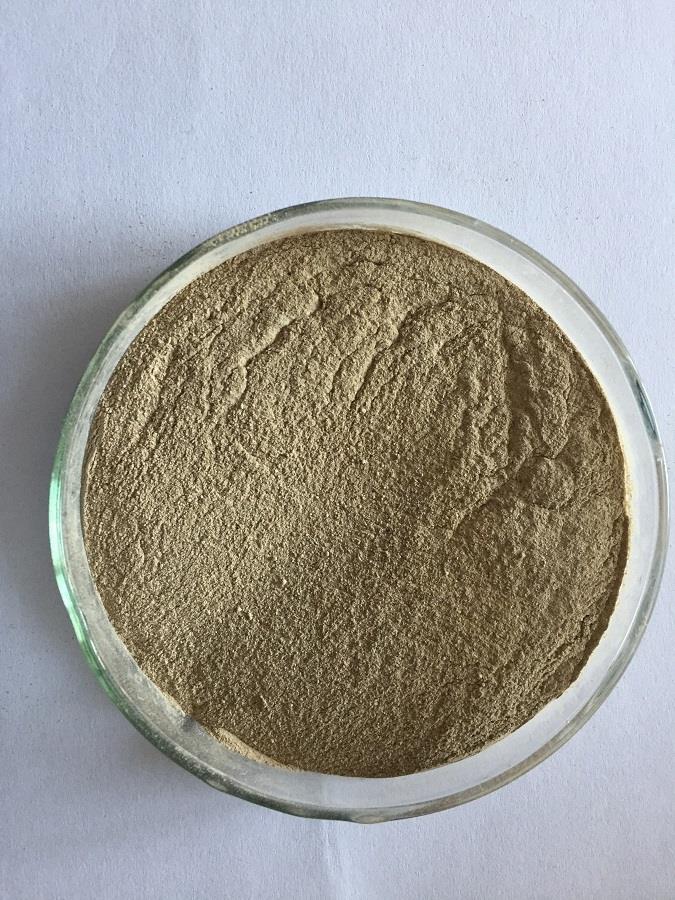
Nosiheptide is a sulfur - containing polypeptide antibiotic that has been widely used in animal husbandry. It is known for its growth - promoting effects and antibacterial properties. The 1% formulation means that in the product, 1% of the content is nosiheptide, while the rest may consist of carriers and other excipients. This formulation is designed to be convenient for use in feed, ensuring proper dosage and distribution.
Antifungal Mechanisms in General
Before we discuss whether Nosiheptide 1% has antifungal properties, it is essential to understand how antifungal agents work. Fungi have unique cell structures, including a cell wall composed of chitin, glucans, and other polysaccharides, and a cell membrane rich in ergosterol. Antifungal agents typically target these structures. Some drugs inhibit the synthesis of ergosterol, disrupting the integrity of the fungal cell membrane. Others target cell wall synthesis, preventing the formation of essential components like chitin or glucans.
Current Research on Nosiheptide's Antifungal Activity
To date, most of the research on nosiheptide has focused on its antibacterial effects. Nosiheptide primarily inhibits bacterial protein synthesis by binding to the 50S ribosomal subunit, thereby interfering with the elongation of peptide chains. This mechanism is highly effective against a variety of Gram - positive bacteria.
However, when it comes to antifungal properties, the evidence is rather limited. There are few direct studies specifically investigating the antifungal activity of Nosiheptide 1%. Some in - vitro experiments have been carried out, but the results have been inconclusive. In some cases, nosiheptide has shown only weak or no inhibitory effects on common fungi such as Candida albicans and Aspergillus niger.
One possible reason for the lack of strong antifungal activity is that the structure and function of fungal ribosomes are different from those of bacteria. Since nosiheptide targets bacterial ribosomes, it may not have a significant impact on fungal protein synthesis. Additionally, the cell wall and membrane composition of fungi are distinct from bacteria, and nosiheptide may not have the appropriate binding sites or modes of action to disrupt these fungal structures.
Comparing with Other Antibiotics
It is interesting to compare Nosiheptide 1% with other antibiotics in terms of antifungal properties. For example, Neomycin Sulphate 22% is mainly known for its antibacterial activity against Gram - negative bacteria. Similar to nosiheptide, it also lacks well - documented antifungal effects. Its mode of action is centered around interfering with bacterial protein synthesis at the ribosomal level.
On the other hand, Nosiheptide 2% has a higher concentration of nosiheptide. While a higher concentration might theoretically increase the possibility of observing some antifungal effects, there is still no clear evidence to suggest that it has significant antifungal properties.
Bambermycin 4% is another antibiotic used in animal feed. It is effective against Gram - positive bacteria and has been shown to promote animal growth. But like nosiheptide, its antifungal activity has not been a major focus of research, and there is limited evidence of its effectiveness against fungi.
Implications for the Industry
In the animal husbandry industry, the question of whether Nosiheptide 1% has antifungal properties has practical implications. Fungal infections can pose significant threats to animal health, leading to reduced growth rates, increased mortality, and economic losses. If Nosiheptide 1% were found to have reliable antifungal properties, it could potentially offer a multi - purpose solution for animal producers, reducing the need for using multiple drugs.
However, based on the current state of knowledge, it is not advisable to rely on Nosiheptide 1% as a primary antifungal agent. Animal producers should continue to use established antifungal drugs when dealing with fungal infections. At the same time, further research is needed to explore the potential of nosiheptide in this area.
Future Research Directions
To better understand whether Nosiheptide 1% has antifungal properties, more comprehensive research is required. This could include in - depth in - vitro studies using a wider range of fungal strains, as well as in - vivo experiments in animals. Advanced techniques such as transcriptomics and proteomics could be employed to analyze the molecular responses of fungi to nosiheptide, providing insights into its potential mode of action.
In addition, combination studies could be carried out. For example, combining nosiheptide with known antifungal agents to see if there is a synergistic effect. This approach could potentially enhance the antifungal activity and open up new possibilities for its use in animal health management.
Conclusion
In conclusion, based on the current scientific research, there is limited evidence to suggest that Nosiheptide 1% has significant antifungal properties. Its primary function remains as an antibacterial agent, especially effective against Gram - positive bacteria. However, the field of research is constantly evolving, and future studies may uncover new aspects of its activity.
If you are involved in the animal husbandry industry and have questions about Nosiheptide 1% or other products we offer, I encourage you to contact us for more information. We are always ready to discuss your specific needs and provide professional advice. Whether it's for antibacterial applications or exploring potential new uses, our team can assist you in making the right decisions for your animal production.

References
- [List of relevant scientific papers on nosiheptide's antibacterial activity]
- [Papers on general antifungal mechanisms]
- [Any existing in - vitro or in - vivo studies on nosiheptide's antifungal activity]