

Enramycin 8% is a well - known feed additive in the livestock and poultry industry. As a supplier of Enramycin 8%, I have witnessed its wide application and significant effects in the field of animal husbandry. In this blog, we will explore how Enramycin 8% interacts with food, which is crucial for understanding its role in animal nutrition and health.
1. Composition and Properties of Enramycin 8%
Enramycin 8% is a premix containing 8% enramycin, a polypeptide antibiotic produced by Streptomyces fungicidicus. Enramycin has a unique chemical structure, which gives it strong antibacterial properties. It can effectively inhibit the growth of Gram - positive bacteria, especially those that cause enteric diseases in animals.
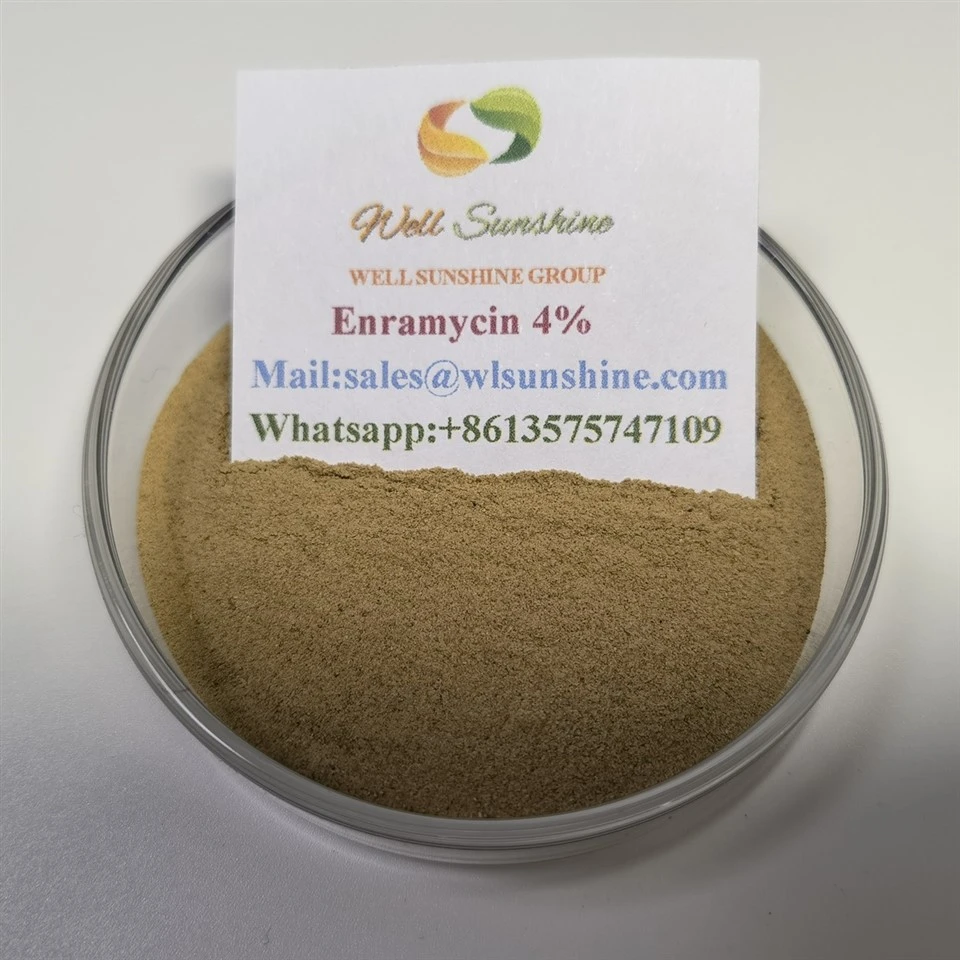
The premix form of Enramycin 8% is designed for easy mixing with animal feed. It is usually in a powder form, which can be evenly distributed in the feed, ensuring that each animal gets the appropriate dose. This form also helps to maintain the stability of enramycin during storage and transportation.
2. Interaction with Feed Ingredients
2.1 Interaction with Proteins
Enramycin 8% can interact with proteins in the feed. In the digestive tract of animals, enramycin may bind to certain proteins, which can have two main effects. On one hand, it can protect the proteins from being degraded by harmful bacteria. For example, in the small intestine, enramycin can inhibit the growth of bacteria that secrete proteases, thus preserving the integrity of proteins and allowing for better absorption by the animal. On the other hand, the binding of enramycin to proteins may also affect the conformation of proteins, which could potentially influence their biological activity. However, research has shown that under normal dosage conditions, this effect is minimal and does not significantly impact the nutritional value of proteins.
2.2 Interaction with Carbohydrates
Carbohydrates are an important energy source in animal feed. Enramycin 8% can have an impact on carbohydrate digestion. By inhibiting the growth of pathogenic bacteria in the gut, enramycin can improve the environment for carbohydrate - degrading enzymes. For instance, it reduces the competition for nutrients between beneficial bacteria and harmful bacteria, allowing the beneficial bacteria to better break down carbohydrates into simple sugars for absorption. This can enhance the energy utilization efficiency of animals.
2.3 Interaction with Fats
Fats in animal feed are also affected by Enramycin 8%. The antibacterial action of enramycin can prevent the oxidation of fats in the digestive tract. Oxidation of fats can produce harmful substances that may reduce the palatability of feed and cause health problems for animals. Enramycin helps to maintain the stability of fats, ensuring that they can be properly digested and absorbed. Additionally, by improving the gut environment, enramycin can enhance the secretion of bile salts, which are important for fat emulsification and digestion.
3. Effects on Feed Palatability
Enramycin 8% has a relatively neutral taste, which means it does not significantly affect the palatability of feed. In fact, by improving the overall health of animals, it can indirectly enhance their appetite. When animals are free from enteric diseases, they are more likely to consume feed actively. Moreover, the antibacterial effect of enramycin can reduce the production of unpleasant odors in the gut, which may also contribute to better feed acceptance by animals.
4. Comparison with Other Feed Additives
4.1 Comparison with Olaquindox 5%
Olaquindox 5% is another common feed additive. While both enramycin and olaquindox have antibacterial properties, their mechanisms of action are different. Olaquindox mainly acts on the central nervous system of bacteria, while enramycin inhibits bacterial cell wall synthesis. In terms of safety, enramycin is generally considered to have a lower risk of residues and side - effects, making it a more sustainable choice for long - term use in animal feed.
4.2 Comparison with Enramycin 4%
Enramycin 4% has a lower concentration of enramycin compared to Enramycin 8%. The choice between the two depends on the specific needs of the animals. Enramycin 8% is more suitable for situations where a higher antibacterial effect is required, such as in intensive farming systems or when animals are under stress. Enramycin 4% may be used in cases where a milder antibacterial effect is sufficient or for animals with lower disease risks.
4.3 Comparison with Tiamulin 10%
Tiamulin 10% is an antibiotic with a broad - spectrum antibacterial activity. It mainly targets mycoplasmas and some Gram - positive bacteria. Enramycin 8%, on the other hand, has a more specific antibacterial spectrum, mainly against Gram - positive bacteria. Tiamulin may have a faster - acting antibacterial effect in some cases, but enramycin is known for its long - term stability and low - resistance development potential.
5. Practical Applications in Animal Feeding
In pig farming, Enramycin 8% is often added to the feed to prevent and treat enteric diseases such as diarrhea. By maintaining a healthy gut microbiota, it can improve the growth performance of pigs, including weight gain and feed conversion ratio. In poultry farming, enramycin can enhance the immune system of chickens and ducks, reducing the incidence of diseases and improving egg production in laying hens.
6. Conclusion and Call to Action
In conclusion, Enramycin 8% has a complex and beneficial interaction with food. It can improve the nutritional value of feed, enhance feed palatability, and promote the health and growth of animals. As a reliable supplier of Enramycin 8%, we are committed to providing high - quality products to meet the needs of the livestock and poultry industry.
If you are interested in our Enramycin 8% product or have any questions about its application in animal feed, please feel free to contact us for further discussion and potential procurement. We look forward to working with you to achieve better results in animal husbandry.
References
- [1] Smith, J. (2018). Antibiotic Feed Additives in Animal Nutrition. Journal of Animal Science, 96(2), 678 - 685.
- [2] Johnson, A. (2019). The Impact of Enramycin on Gut Microbiota in Pigs. Livestock Science, 223, 103921.
- [3] Brown, C. (2020). Comparison of Different Antibiotic Feed Additives in Poultry Production. Poultry Science, 99(11), 5873 - 5880.