

As a supplier of Bambermycin 8%, I understand the critical importance of ensuring its uniform distribution in feed. Bambermycin 8% is a valuable additive in the animal feed industry, known for its growth - promoting and health - enhancing properties. In this blog, I will share some practical strategies and scientific insights on how to achieve the uniform distribution of Bambermycin 8% in feed.
Understanding the Nature of Bambermycin 8%
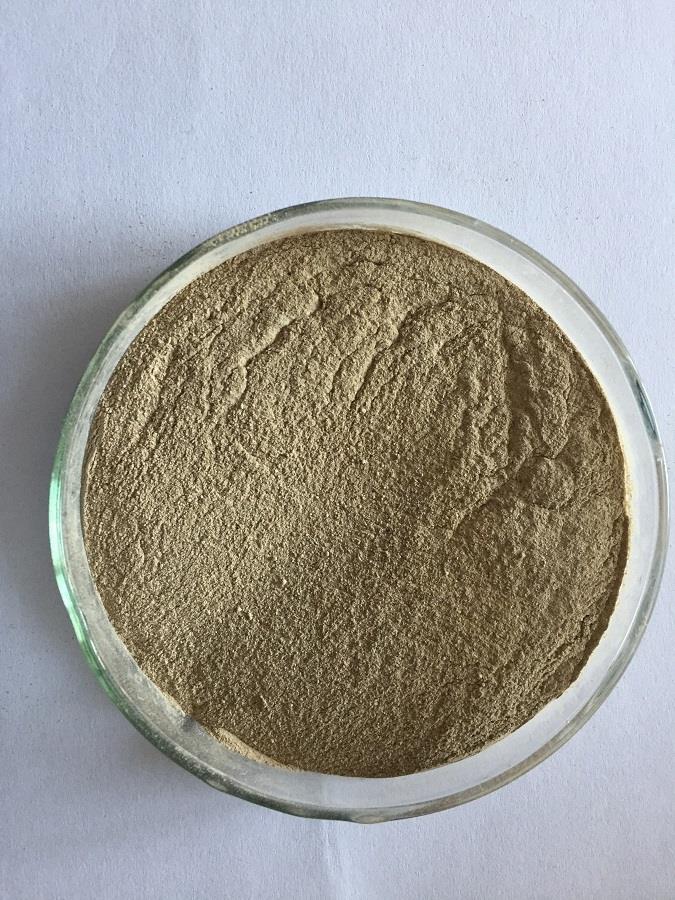
Before delving into the distribution methods, it's essential to understand the characteristics of Bambermycin 8%. Bambermycin is a polypeptide antibiotic that comes in a powder form. The 8% concentration indicates the proportion of the active ingredient in the premix. This powder has certain physical properties such as particle size, density, and flowability, which can influence its distribution in the feed.
Importance of Uniform Distribution
Uniform distribution of Bambermycin 8% in feed is crucial for several reasons. Firstly, it ensures that each animal in the herd or flock receives the appropriate dosage of the additive. Inconsistent distribution can lead to some animals getting too little, which may result in sub - optimal growth and health benefits, while others may receive an excessive amount, potentially causing adverse effects. Secondly, uniform distribution helps to maintain the quality and efficacy of the feed. It ensures that the feed meets the required standards and provides consistent performance across the entire batch.
Strategies for Uniform Distribution
1. Pre - Mixing
Pre - mixing is a fundamental step in achieving uniform distribution. It involves mixing Bambermycin 8% with a small amount of the feed ingredients before adding it to the main batch. This pre - mix acts as a carrier for the Bambermycin 8%, allowing it to disperse more evenly throughout the larger feed volume. When choosing the carrier for pre - mixing, select ingredients that have similar physical properties to Bambermycin 8%, such as a fine - textured powder with good flowability. For example, cornmeal or wheat middlings can be excellent carriers.
To perform pre - mixing, start by weighing the appropriate amount of Bambermycin 8% and the carrier. Use a small - scale mixer, such as a paddle mixer or a ribbon mixer, to blend them thoroughly. The mixing time should be sufficient to ensure that the Bambermycin 8% is evenly distributed within the carrier. Generally, a mixing time of 5 - 10 minutes is recommended, but this may vary depending on the mixer type and the batch size.
2. Proper Mixing Equipment
Investing in high - quality mixing equipment is essential for achieving uniform distribution. There are several types of mixers available in the market, each with its own advantages and limitations.
Ribbon Mixers: Ribbon mixers are widely used in the feed industry. They consist of a U - shaped trough with a rotating shaft and two helical ribbons. The ribbons move the feed materials in both the axial and radial directions, promoting thorough mixing. Ribbon mixers are suitable for mixing a wide range of feed ingredients, including Bambermycin 8%. However, they require proper maintenance to ensure optimal performance.
Paddle Mixers: Paddle mixers have a series of paddles attached to a rotating shaft. The paddles agitate the feed materials, causing them to mix. Paddle mixers are known for their gentle mixing action, which is suitable for delicate ingredients like Bambermycin 8%. They can achieve good mixing results in a relatively short time.
Vertical Mixers: Vertical mixers are designed to mix feed materials in a vertical direction. They are often used for small - scale feed production. Vertical mixers can provide uniform mixing, but they may require longer mixing times compared to horizontal mixers.
When selecting a mixer, consider factors such as the batch size, the type of feed ingredients, and the required mixing time. It's also important to ensure that the mixer is properly calibrated and maintained to achieve consistent mixing results.
3. Particle Size and Density Matching
Matching the particle size and density of Bambermycin 8% with the other feed ingredients is crucial for uniform distribution. If the particle size of Bambermycin 8% is significantly different from that of the feed ingredients, it may segregate during mixing or handling. Similarly, differences in density can cause the Bambermycin 8% to settle or float, leading to uneven distribution.
To address this issue, suppliers can work on optimizing the particle size of Bambermycin 8% during the manufacturing process. Additionally, when formulating the feed, select ingredients with similar particle sizes and densities. This will help to ensure that the Bambermycin 8% mixes well with the other components and remains evenly distributed throughout the feed.
4. Sequential Addition
The order in which the ingredients are added to the mixer can also affect the distribution of Bambermycin 8%. It's generally recommended to add the major feed ingredients first, followed by the minor ingredients and finally the Bambermycin 8% pre - mix. This allows the major ingredients to form a base, which provides a larger surface area for the Bambermycin 8% to disperse.
For example, start by adding the grains, such as corn and soybean meal, to the mixer. Then, add the other ingredients like vitamins, minerals, and amino acids. Finally, add the pre - mixed Bambermycin 8% to the mixer. This sequential addition method helps to ensure that the Bambermycin 8% is evenly distributed throughout the feed.
5. Mixing Time and Speed
The mixing time and speed are important factors in achieving uniform distribution. Insufficient mixing time may result in incomplete mixing, while excessive mixing time can cause over - blending and potentially damage the feed ingredients.
The optimal mixing time depends on several factors, including the type of mixer, the batch size, and the nature of the feed ingredients. As a general rule, a mixing time of 10 - 15 minutes is often recommended for achieving uniform distribution of Bambermycin 8% in feed. However, it's important to conduct regular quality control checks to determine the exact mixing time required for your specific feed formulation.
The mixing speed also plays a role in the distribution process. A higher mixing speed can increase the intensity of the mixing action, but it may also cause the feed materials to become compacted or generate heat. On the other hand, a lower mixing speed may result in insufficient mixing. Therefore, it's important to find the right balance between mixing speed and time to achieve the best results.
Quality Control
To ensure the uniform distribution of Bambermycin 8% in feed, regular quality control checks are necessary. These checks can include sampling the feed at different points in the mixing process and analyzing the Bambermycin 8% content. There are several analytical methods available for determining the Bambermycin 8% concentration in feed, such as high - performance liquid chromatography (HPLC).
By conducting regular quality control checks, you can identify any issues with the distribution process and take corrective actions promptly. This will help to ensure that the feed meets the required standards and provides consistent performance.

Complementary Products
In addition to Bambermycin 8%, we also offer other high - quality feed additives such as Nosiheptide 2%, Neomycin Sulphate 22%, and Florfenicol 10%. These products can be used in combination with Bambermycin 8% to provide comprehensive health and growth benefits to animals.
Conclusion
Ensuring the uniform distribution of Bambermycin 8% in feed is a complex but essential process. By following the strategies outlined in this blog, including pre - mixing, using proper equipment, matching particle size and density, sequential addition, and controlling mixing time and speed, you can achieve optimal distribution and ensure the quality and efficacy of your feed.
If you are interested in purchasing Bambermycin 8% or any of our other feed additives, we encourage you to contact us for further discussions. We are committed to providing high - quality products and excellent customer service. Let's work together to enhance the performance and health of your animals.
References
- "Feed Manufacturing Technology" by Feed Manufacturing Technology Committee.
- "Handbook of Feed Additives" edited by J. P. F. D'Mello.
- Research papers on the distribution of antibiotics in animal feed from scientific journals such as the Journal of Animal Science.