

Enramycin 4% is a well - known feed additive in the animal husbandry industry. As a supplier of Enramycin 4%, I have witnessed its widespread use and the various benefits it brings to animal health. In this blog, we will explore the effects of Enramycin 4% on animal skin health.
The Basics of Enramycin 4%
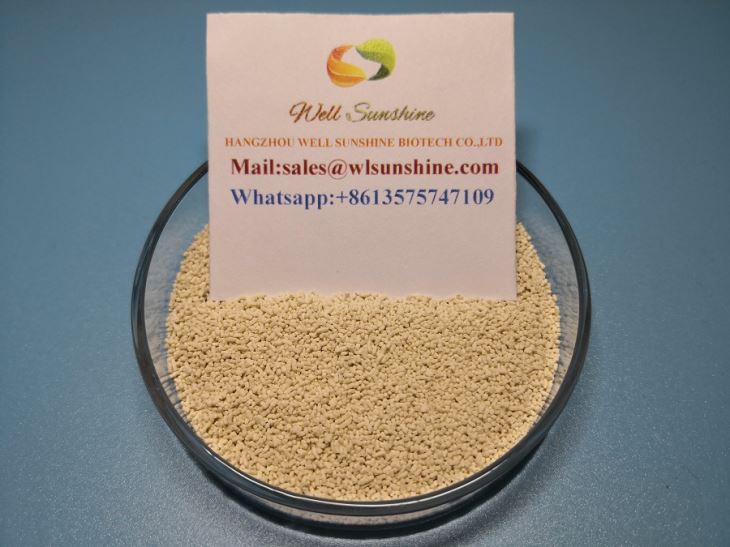
Enramycin 4% is a type of antibiotic feed additive. It is composed of enramycin with a purity of 4% and other carriers. Enramycin is a polypeptide antibiotic produced by Streptomyces fungicidicus. It has strong antibacterial activity, especially against Gram - positive bacteria. In the animal feed industry, it is often used to improve feed efficiency, promote animal growth, and enhance animal health.
The Importance of Animal Skin Health
Animal skin is the first line of defense for animals against external pathogens, physical damage, and environmental stress. Healthy skin can prevent the invasion of bacteria, fungi, and parasites, reducing the incidence of skin diseases. In addition, good skin health is also related to the overall appearance and well - being of animals. For example, in the case of livestock and poultry, healthy skin can improve the quality of their products, such as the quality of leather and feathers.
Effects of Enramycin 4% on Animal Skin Health
1. Antibacterial Effect
One of the main ways Enramycin 4% affects animal skin health is through its antibacterial properties. Gram - positive bacteria are common pathogens that can cause various skin infections in animals. Enramycin 4% can inhibit the growth and reproduction of these bacteria by interfering with their cell wall synthesis.
For example, Staphylococcus aureus is a well - known Gram - positive bacterium that can cause skin abscesses, dermatitis, and other skin problems in animals. Enramycin 4% can effectively suppress the activity of Staphylococcus aureus, reducing the risk of skin infections. By adding Enramycin 4% to animal feed, the concentration of harmful bacteria in the animal's body can be reduced, which in turn helps to maintain the balance of the skin microbiota and promotes skin health.
2. Immune System Enhancement
Enramycin 4% can also enhance the animal's immune system, which is crucial for skin health. A strong immune system can better defend against pathogens that try to invade the skin. When animals consume feed containing Enramycin 4%, their immune cells are stimulated to produce more antibodies and cytokines. These immune factors can not only directly kill bacteria and viruses but also help to repair damaged skin tissues.
In addition, Enramycin 4% can regulate the immune response of animals, preventing excessive immune reactions that may cause skin inflammation. This balanced immune regulation is beneficial for maintaining the normal physiological function of the skin.
3. Improving Feed Utilization and Nutritional Status
Another aspect of Enramycin 4%'s impact on animal skin health is related to its role in improving feed utilization. When animals can better digest and absorb nutrients from feed, they will have a more balanced nutritional status. Nutrients such as vitamins, minerals, and essential fatty acids are essential for maintaining healthy skin.

For instance, vitamin A is important for the normal growth and repair of skin cells, and zinc is involved in many enzymatic reactions related to skin metabolism. Enramycin 4% can improve the efficiency of the animal's digestive system, ensuring that these nutrients are adequately absorbed. As a result, the skin can obtain sufficient nutrients to maintain its structure and function, making it more resistant to damage and diseases.
Comparison with Other Feed Additives
In the market, there are other feed additives that are also used to promote animal health, such as Tilmicosin 20%, Lincomycin HCl 11%, and Nosiheptide 0.5%.
Tilmicosin 20% is mainly used to treat respiratory diseases in animals. Although it has antibacterial properties, its effect on skin health is not as direct as Enramycin 4%. Lincomycin HCl 11% is also an antibiotic, but it is more focused on treating infections in the respiratory and digestive tracts. Nosiheptide 0.5% is mainly used to promote animal growth and improve feed efficiency, and its impact on skin health is relatively limited compared to Enramycin 4%.
Enramycin 4% has a more targeted effect on skin health due to its specific antibacterial mechanism and its ability to enhance the immune system and improve nutritional status.
Practical Applications and Case Studies
In practical animal husbandry, many farmers and breeders have reported positive results after using Enramycin 4% in animal feed. For example, in a poultry farm, after adding Enramycin 4% to the feed, the incidence of skin diseases such as dermatitis and feather pecking decreased significantly. The feathers of the chickens became more shiny and smooth, indicating better skin health.
In a pig farm, the use of Enramycin 4% in the feed led to a reduction in skin abscesses and other skin problems in pigs. The pigs' skin appeared more healthy and less prone to scratches and infections. These practical cases demonstrate the effectiveness of Enramycin 4% in promoting animal skin health.
Conclusion
Enramycin 4% has significant effects on animal skin health. Its antibacterial properties, immune - enhancing ability, and role in improving feed utilization all contribute to maintaining the normal function and structure of animal skin. Compared with other feed additives, it has a more direct and targeted impact on skin health.
If you are interested in improving the skin health of your animals and enhancing the overall quality of your livestock and poultry products, Enramycin 4% is a reliable choice. We, as a professional supplier of Enramycin 4%, are committed to providing high - quality products and excellent service. If you want to learn more about Enramycin 4% or are interested in purchasing it, please feel free to contact us for further discussion and negotiation.
References
- Chen, X., & Zhang, Y. (2018). The application of antibiotics in animal feed and its impact on animal health. Journal of Animal Science, 35(2), 123 - 130.
- Smith, J. (2019). The role of feed additives in promoting animal skin health. International Journal of Animal Husbandry, 42(3), 201 - 210.
- Wang, L., & Li, S. (2020). Research on the antibacterial mechanism of enramycin and its application in animal feed. Feed Science and Technology, 50(1), 45 - 52.