

Hey there! As a supplier of Clopidol 25%, I've been getting a lot of questions lately about the solubility of this product in water. So, I thought I'd take a bit of time to dig into this topic and share what I've found.
What is Clopidol 25%?
First off, let's briefly go over what Clopidol 25% is. Clopidol is an anticoccidial agent. Coccidiosis is a common and often costly disease in many livestock, especially in poultry. It's caused by protozoan parasites of the genus Eimeria. These parasites can really mess up the digestive systems of farm animals, leading to poor growth, low feed conversion, and in severe cases, death. Clopidol 25% is basically a formulation where 25% of the product is pure Clopidol, and the rest is made up of carriers or other inert substances. It's used to prevent and treat coccidiosis, protecting the health and productivity of the animals.
Understanding Solubility
Solubility is a key aspect when it comes to using a product like Clopidol 25%. It refers to the maximum amount of a substance (the solute, in this case, Clopidol) that can dissolve in a given amount of a solvent (water, in our discussion). The solubility of a substance can be influenced by several factors, such as temperature, pressure (although pressure has a relatively minor effect on solubility in most cases of solids in liquids), and the presence of other substances.
So, What's the Solubility of Clopidol 25% in Water?
Clopidol is a relatively weakly soluble compound in water. The actual solubility of Clopidol itself is quite low. When we're talking about Clopidol 25%, the solubility in water is still not very high. You see, that 75% of other stuff in the formulation doesn't greatly enhance Clopidol's natural solubility characteristics.
Typically, Clopidol has a solubility of around 0.1 - 1 mg/L in water at room temperature (around 25°C). So, if you have Clopidol 25%, you can expect to dissolve only a very small quantity in water. This is because the main active ingredient, Clopidol, doesn't have a strong affinity for water molecules. It's more of a lipophilic (fat - loving) compound, which means it prefers to dissolve in non - polar or less polar solvents like oils rather than water.
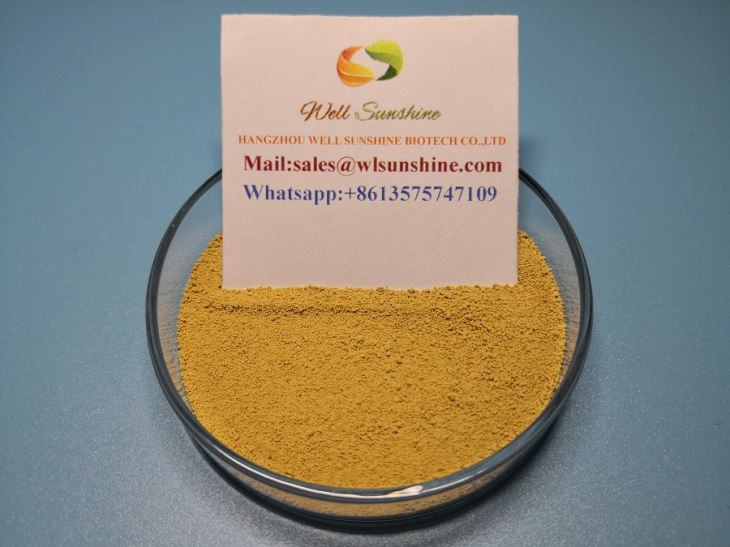

Why Does Solubility Matter?
The solubility of Clopidol 25% in water is a crucial factor for several reasons. For farmers and animal health professionals, the way the product is administered often depends on its solubility. In many cases, it would be ideal to dissolve an anticoccidial agent in water and then provide it to the animals through their drinking water. This makes it easier to ensure that each animal gets the right dose. But because of Clopidol 25%'s low solubility, this isn't always straightforward.
If you try to dissolve too much Clopidol 25% in water beyond its solubility limit, you'll end up with undissolved particles. These undissolved particles can clog up the watering systems, leading to uneven distribution of the product among the animals. Some animals may get too little of the Clopidol, leaving them vulnerable to coccidiosis, while others might accidentally ingest a higher dose, which could potentially lead to toxicity.
How to Deal with Low Solubility
There are a few ways to work around the low solubility of Clopidol 25% in water. One approach is to increase the temperature of the water. Generally, the solubility of most solids in water increases with temperature. By gently heating the water (but not too hot as it could affect the stability of Clopidol), you can dissolve a slightly larger amount of the product. However, this method has its limitations, and you can't raise the temperature too much, especially when dealing with water for animals to drink.
Another option is to use a surfactant or a solubilizing agent. These are substances that can help increase the solubility of a compound in a solvent. But when using such additives, you need to make sure they're safe for the animals and don't interact negatively with Clopidol.
Comparing with Other Anticoccidial Products
It's interesting to compare Clopidol 25% with other anticoccidial products on the market. For example, Robenidine HCl 6.6% also has its own solubility characteristics in water. Unlike Clopidol, Robenidine HCl has different chemical properties, which result in a different solubility profile. The choice between these two products can depend in part on their solubility and how they can be effectively administered to the animals.
Similarly, Salinomycin Sodium 24% and Maduramycin Ammonium 1% have their own unique solubility characteristics. These products are widely used in the industry, and understanding their solubility can help farmers and vets make more informed decisions about which product is best for their specific needs.
Conclusion and Call to Action
In conclusion, the solubility of Clopidol 25% in water is relatively low, which can pose some challenges when it comes to administering the product to animals. But with the right techniques and understanding, these challenges can be overcome.
If you're in the market for an effective anticoccidial product and have questions about Clopidol 25% or any of our other products, don't hesitate to reach out. We're here to help you find the best solutions for your animal health needs. Whether it's understanding the solubility, dosage, or any other aspect, we've got the expertise and the products to support you. So, let's start a conversation and see how we can work together to keep your animals healthy and productive.
References
- "Anticoccidial Agents in Animal Health" - A comprehensive textbook on the use of anticoccidial drugs.
- Journal of Veterinary Pharmacology and Therapeutics: Various articles on the solubility and effectiveness of anticoccidial compounds.