

Hey there! As a supplier of Nicarbazin 25%, I often get asked, "How long does it take for Nicarbazin 25% to take effect?" Well, let's dig into this topic and break it down.
First off, let's understand what Nicarbazin 25% is. It's an important anticoccidial agent commonly used in the poultry industry. Coccidiosis is a major problem in poultry farming, caused by protozoan parasites of the genus Eimeria. These little critters can mess up a chicken's gut, leading to poor growth, diarrhea, and even death in severe cases. Nicarbazin 25% helps to control and prevent this pesky disease.
Now, the time it takes for Nicarbazin 25% to take effect can vary depending on a few factors. One of the main factors is the severity of the coccidial infection. If the infection is mild, you might start seeing some positive effects within a couple of days. The chickens will probably start to look a bit more lively, and their droppings might start to normalize.
For instance, when the chickens have a mild coccidial infection, Nicarbazin 25% starts working on the parasites right away. It interferes with the life cycle of the Eimeria parasites, preventing them from multiplying and causing more damage. As a result, the chickens' immune system can start to fight off the remaining parasites more effectively.
However, if the infection is more severe, it could take a bit longer, maybe around a week or so. In these cases, the chickens' digestive systems are really messed up, and it takes time for them to recover. The first thing you'll notice is a reduction in the symptoms like diarrhea. Then, over the next few days, the chickens will start to gain back their appetite and energy.
Another factor that affects the time of effectiveness is the dosage. It's crucial to follow the recommended dosage instructions. If you give too little, it might not work as quickly or effectively. On the other hand, giving too much can be harmful to the chickens. The recommended dosage usually depends on the age and weight of the chickens.
Let's talk about how Nicarbazin 25% compares to other anticoccidial products. There are other options out there, like Dinitolmide 25%, Salinomycin Sodium 24%, and Salinomycin Sodium 12%. Each of these has its own characteristics.
Dinitolmide 25% also works well against coccidiosis, but it might have a slightly different mode of action compared to Nicarbazin 25%. It can be effective in a relatively short time, similar to Nicarbazin 25% in mild cases. Salinomycin Sodium comes in different concentrations, 24% and 12%. The higher concentration might work a bit faster in some situations, but it also needs to be used with caution due to its potency.
In real - world scenarios, farmers often have to make decisions based on the specific situation on their farms. Some might prefer Nicarbazin 25% because it has a good track record of being effective and relatively safe. It's been used in the industry for a long time, and farmers know what to expect.
When using Nicarbazin 25%, it's also important to consider the overall management of the poultry farm. Good hygiene practices, proper ventilation, and a balanced diet can all contribute to the effectiveness of the treatment. If the farm is dirty and overcrowded, the chickens are more likely to get reinfected, even if they've been treated with Nicarbazin 25%.
So, to sum it up, the time it takes for Nicarbazin 25% to take effect can range from a couple of days in mild cases to about a week in severe cases. But remember, it's not just about the product itself. How you use it, the overall farm management, and the specific situation of the chickens all play a role.

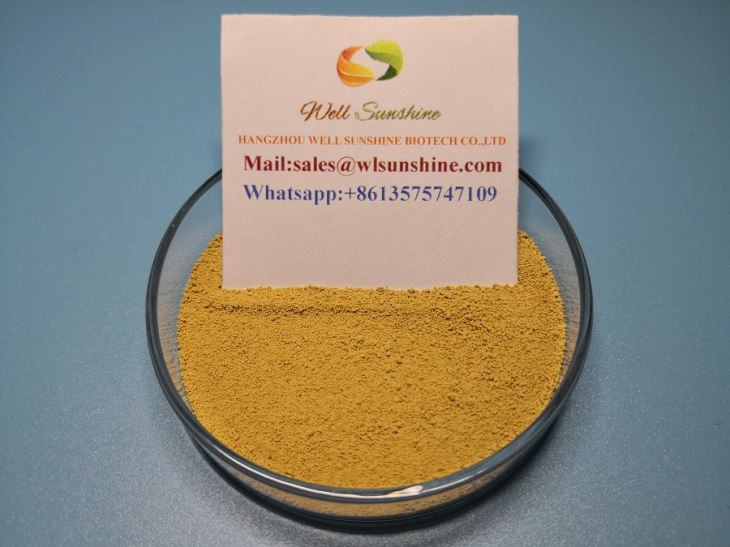
If you're a poultry farmer or involved in the poultry industry, and you're interested in learning more about Nicarbazin 25% or want to discuss a potential purchase, don't hesitate to reach out. We're here to help you make the best decisions for your flock's health and productivity.
References
- "Anticoccidial Agents in Poultry Production" - Poultry Science Journal
- "Coccidiosis in Poultry: Diagnosis and Treatment" - Veterinary Medicine Handbook