
Calcium bicarbonate
CAS No.:471-34-1
CaCO3,100.09
Synonyms: Precipitated calcium carbonate, light calcium carbonate
Physical and chemical properties
Calcium carbonate can be divided into heavy calcium carbonate (30-50 μ m) Light calcium carbonate (5 μ m) And colloidal calcium carbonate (0.03-0.05 μ m) Three species, and other traits are basically the same. This product is white microcrystalline powder, odorless and tasteless. The melting point is 825 ℃, which decomposes into carbon dioxide and calcium oxide.
It is stable in air, soluble in dilute acetic acid, dilute hydrochloric acid and dilute nitric acid, and generates carbon dioxide. It is hardly soluble in dilute sulfuric acid and almost insoluble in water and ethanol. If ammonium salt or carbon dioxide is present, its solubility in water can be increased. The existence of any alkali metal hydroxide can reduce its solubility.
Carbon dioxide is introduced into lime milk; Prepared by the reaction of sodium carbonate solution and calcium chloride solution; is prepared from sodium carbonate solution and lime water.
Toxicological basis
② LD50: acute oral 6450mg / kg (BW) in rats.
②GRAS: FDA-21CFR 181.29,182.5191,184.1191,184.1409.
③ ADI: not required (FAO / WHO, 1994).
④ Metabolic calcium is a component that the body often needs to supplement. After ingestion, only part of it is converted into soluble calcium salt and absorbed, participating in the metabolism of the body.
Application
Bulking agent and a flour treatment agent
GB 2760-2014 stipulates that the maximum amount used in wheat flour is 0.03g/kg.
FAO / who (1983) stipulates: 50g / kg for cocoa powder and sugar-containing cocoa powder, cocoa bean powder, cocoa cake, and cocoa oil cake (used alone or in combination with hydroxide, carbonate, and bicarbonate, based on fat-free cocoa, calculated as K2CO3); Processed cheese is 40g / kg (used alone or in combination with other Acidifiers and emulsifiers, calculated as anhydrous); Light condensed milk, sweet condensed milk, and thin cream are 2G / kg (used alone) and 3G / kg (used with other stabilizers, calculated as anhydrous); Milk powder and cream: 5g / kg (used alone or in combination with other stabilizers, calculated as anhydrous); Jam and jelly: 200 mg/kg (used alone or in combination with other coagulants, calculated by CA); It is used for infant food based on grain, canned food for infants, and grape juice and concentrated grape juice that are only preserved by physical methods. It can be added appropriately according to production needs.
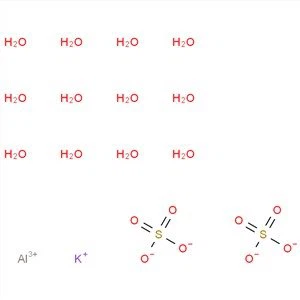
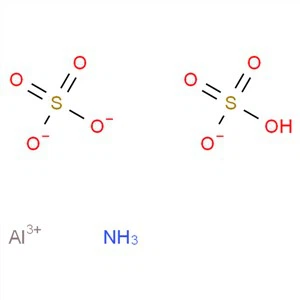
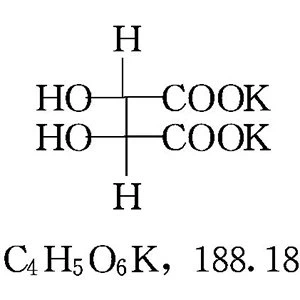
Other references: for example, as a bulking agent, it is often used as a composite bulking agent composed of other components, such as calcium carbonate 5%, sodium bicarbonate 35%, potassium hydrogen tartrate 10%, anhydrous aluminum potassium sulfate (alum) 33%, disodium succinate 2%, monosodium glutamate 10%, and table salt 5%. As a calcium fortifier, in addition to bread and noodles, it can also be used in infant food, etc. the amount of calcium used is 3G / kg; When the solid beverage is fortified, it is 20g / kg based on calcium.
When water retention agent polyphosphate is used to improve the quality of meat products, it is best to add a calcium agent to balance calcium and phosphorus, and the amount of calcium agent is 0.5% ~ 1.5%.
This product can also be used for deacidification of wine, neutralization of maltose, ice cream production, and acid glucose production. In the production of wine, calcium carbonate (or potassium carbonate) can be used to remove part of the acid from the juice with high acidity (more than 1.5%). To remove 0.1% acid in 100L grape juice, 66g of calcium carbonate must be added. Acid removal can be carried out after fermentation.
Hot Tags: calcium bicarbonate, manufacturers, suppliers, factory, wholesale, custom